Inside Our Engineering Standards
The small rules that keep a growing codebase predictable: reviews, tests, observability and boring deployments.
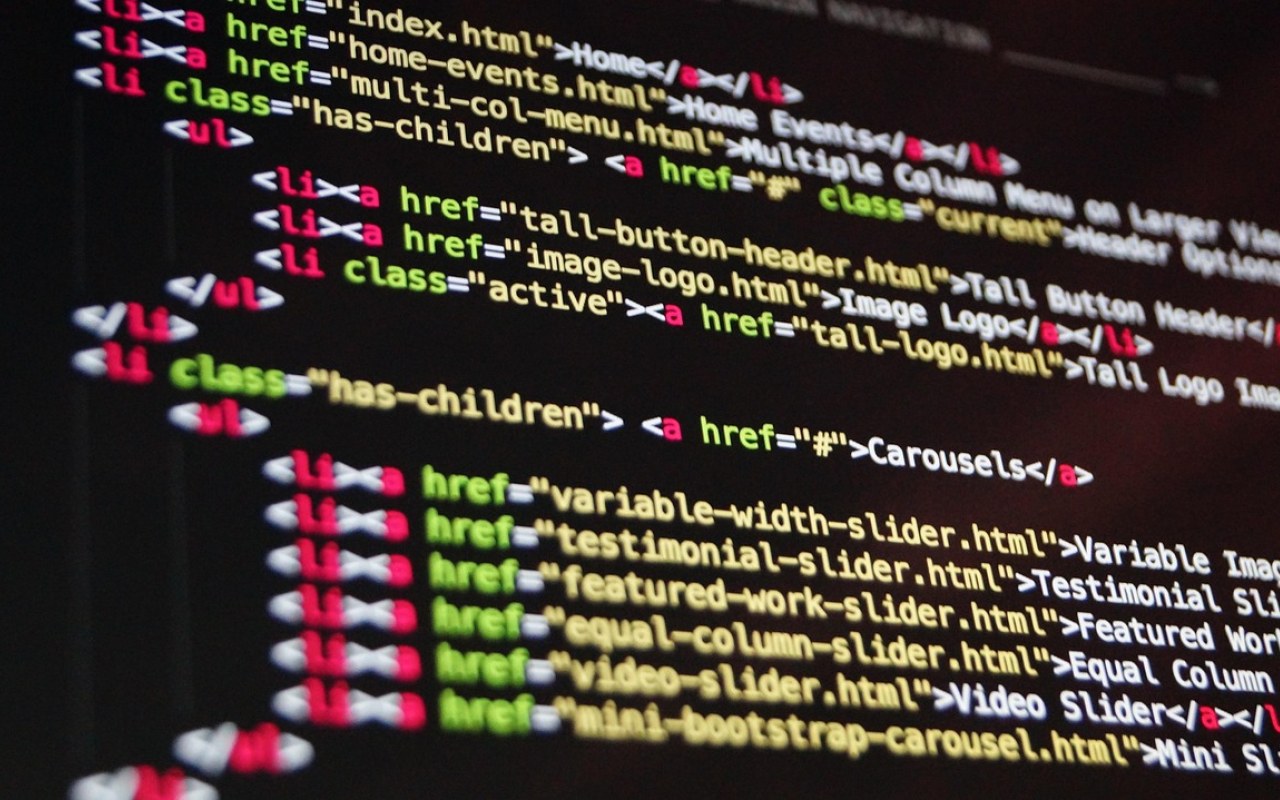
Good engineering is rarely one big decision. It is a set of small standards applied consistently: how code is reviewed, how changes are tested, and how quickly a problem can be understood in production.
Every change goes through review, including changes made by senior engineers. Reviews focus on behaviour, failure modes and readability rather than personal style. If a change is hard to explain, it is usually hard to maintain.
We test the flows that carry money, identity and safety first. Those tests run automatically before deployment, and a failed check blocks the release. Smaller services get lighter coverage, but nothing ships without a clear rollback path.
Once live, the work continues. Logs, metrics and error alerts are part of the feature, not an afterthought. The goal is simple: when something goes wrong, we should learn about it from our systems before a user has to tell us.
Keep reading
 Innovation & Tech
Why Local Research Beats Imported Playbooks
A product that works in another market is a starting point, not an answer. Local research is how we close the gap.
 Innovation & Tech
Invite Opens a New Yangon Studio
A larger home for product, engineering and support teams — designed around how we actually work together.